
Owning a home is often seen as a milestone of financial stability, but the reality is more complex. Beyond the mortgage, there are constant, sometimes unpredictable costs that can quietly erode your finances. Without a clear plan, even responsible homeowners can find themselves relying on credit cards or loans just to keep up.
Staying debt-free while managing homeownership costs isn’t about cutting every expense or living uncomfortably—it’s about being intentional. With the right systems, habits, and mindset, you can maintain your home, plan for the future, and still protect your financial freedom.
Think of it this way: your home should support your life, not control it. When expenses begin to feel overwhelming, it’s usually a sign that something in your system—budgeting, planning, or prioritization—needs adjustment. The good news is that small, consistent changes can make a significant difference over time. Even refining just one financial habit can begin to shift your overall trajectory in a meaningful way.
Building a Realistic Budget That Reflects True Costs

Many homeowners underestimate what it actually costs to maintain a home over time. A mortgage payment might be predictable, but everything else—from property taxes to seasonal upkeep—adds layers of financial responsibility that require careful planning.
A strong budget starts by separating your expenses into categories:
- Fixed costs (mortgage, insurance, taxes)
- Variable costs (utilities, maintenance, repairs)
- Irregular costs (annual services, upgrades, emergencies)
One of the most effective ways to tighten your financial picture is to consult a certified public accountant who understands long-term planning. They can help identify inefficiencies, tax advantages, and blind spots that aren’t obvious on your own. For example, you may be over-allocating in one category while underestimating long-term repair costs—something that becomes clear only when looking at the full financial picture.
If your property is located in HOA communities, you’ll also need to account for association fees, special assessments, and shared maintenance costs. These expenses can fluctuate depending on community projects or repairs, so it’s wise to build in a buffer rather than budgeting to the exact dollar.
A practical approach is to project your annual home costs, divide them monthly, and treat that number as your true housing expense—not just your mortgage. Over time, this method removes the illusion of “extra” money and replaces it with a more accurate, grounded understanding of what your home really costs to maintain. This clarity makes decision-making easier and helps prevent financial surprises.
Preventing Costly Repairs Through Consistent Maintenance
It’s easy to delay maintenance when nothing seems urgent. A small drip under the sink or a flickering light might not feel like a priority—but these minor issues often become expensive problems when ignored.
Think of your home like a system that requires regular attention. Preventative maintenance reduces the likelihood of emergencies, which are often the biggest contributors to unexpected debt.
For example, a slow leak might only require a quick visit from plumbers today. Left alone, it could lead to water damage, mold remediation, and structural repairs costing thousands. Similarly, faulty wiring or overloaded circuits should be addressed by electricians early, before they pose safety hazards or require major rewiring.
A useful mindset shift is to treat maintenance as a non-negotiable expense rather than an optional one. Just like you wouldn’t skip a car’s oil change indefinitely, your home needs routine care to function properly.
You might consider keeping a simple log of maintenance tasks. Over time, patterns will emerge—certain systems may need more frequent attention, while others remain stable. This awareness helps you anticipate needs rather than react to crises.
A homeowner who consistently handles small fixes rarely faces catastrophic ones. Over time, this habit becomes one of the most powerful tools for staying debt-free.
Lowering Energy Expenses to Improve Monthly Cash Flow
Energy costs are one of the most overlooked contributors to financial strain. A slightly inefficient home can add hundreds of dollars to your monthly expenses without you fully realizing it.
Improving efficiency doesn’t always require a major investment. Sometimes, the biggest gains come from identifying where energy is being wasted.
Start with simple steps: sealing gaps around windows and doors, upgrading to LED lighting, and adjusting thermostat settings. These changes may seem small individually, but together they can noticeably reduce your monthly bills.
From there, it may be worth consulting a local hvac company to evaluate whether your system is operating efficiently. Older systems, even if functional, can quietly drive up utility bills year-round. A professional assessment can reveal whether repairs, recalibration, or replacement would provide long-term savings.
If your home uses solar energy, regular solar panel inspections ensure that your system is performing at its best. Panels that are dirty, misaligned, or experiencing technical issues won’t generate the expected savings, which can undermine your long-term financial strategy.
Lowering your energy costs isn’t just about saving money—it’s about creating breathing room in your budget. That extra margin can be redirected toward savings or maintenance, reducing the likelihood that you’ll need to rely on debt later.
Planning Ahead for Major System Replacements
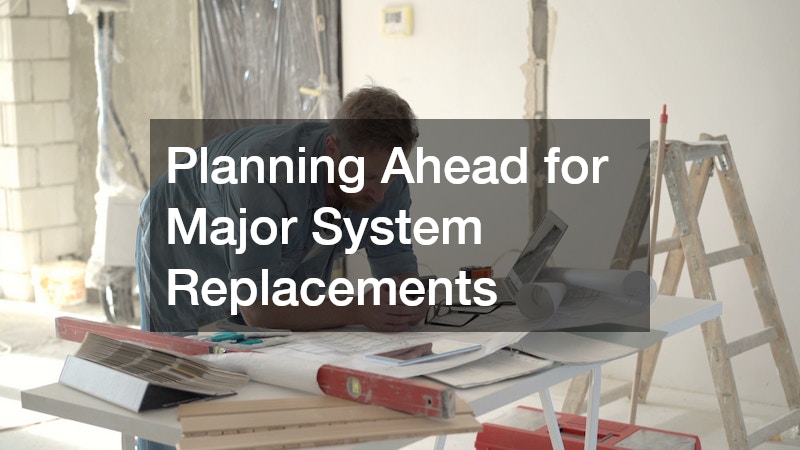
Every home contains systems that will eventually need replacement—roofing, HVAC units, water heaters, and more. The challenge isn’t that these costs exist; it’s that they often arrive suddenly and demand immediate payment.
Instead of treating these events as surprises, plan for them as inevitabilities.
A practical method is to estimate the lifespan of your major systems and divide the replacement cost into monthly savings contributions. This creates a “sinking fund” dedicated to future expenses. For example, if your HVAC system has an expected lifespan of 12 years and is already halfway through, you can begin setting aside funds now to soften the financial impact later.
Planning ahead also allows you to make better decisions. When you’re not under pressure, you can compare options, evaluate quality, and avoid rushed purchases that may not serve you well long term.
For instance, if you expect to install a generator within the next few years, beginning to save now gives you flexibility when choosing the right model. Similarly, preparing your home for evolving needs like ev charging setups ensures you’re not caught off guard as technology and lifestyle demands change.
This kind of foresight transforms large expenses from financial emergencies into manageable milestones.
Seeking Guidance Before Financial Pressure Builds
Homeownership decisions don’t happen in isolation. Whether you’re buying, refinancing, or making major upgrades, the people you consult can significantly influence your financial outcome.
Working with a knowledgeable realtor can help you make decisions that support long-term value rather than short-term convenience. For example, choosing a property with durable materials, efficient systems, and a manageable layout can reduce maintenance costs for years.
There’s also value in recognizing when you need help. Financial stress often builds gradually, and many homeowners wait too long before seeking guidance. If you begin to feel stretched, speaking with a debt relief and forgiveness attorney can provide clarity on your options and help you avoid compounding financial strain.
In some cases, a simple restructuring of obligations or a strategic plan can make a significant difference. The key is to act early, when you still have flexibility and control over your decisions.
Building a trusted network of professionals—before you urgently need them—ensures that when questions arise, you’re not navigating them alone.
Creating a Dedicated Emergency Fund for Home Costs
General savings are helpful, but homeownership requires a more targeted approach. A dedicated emergency fund ensures that when something breaks, you’re prepared.
Unlike everyday savings, this fund should be reserved strictly for home-related expenses—unexpected repairs, urgent replacements, or temporary disruptions. Mixing it with general savings increases the likelihood that it will be used for non-essential spending.
A common recommendation is to set aside 1% to 3% of your home’s value annually. While that number may seem high, it reflects the true cost of maintaining a property over time.
If that feels overwhelming, start smaller. Even setting aside a modest amount each month builds momentum. Over time, consistency matters far more than the initial contribution.
One helpful strategy is automation. By transferring funds into a dedicated account each month, you remove the need for constant decision-making. It becomes a built-in part of your financial system rather than something you have to remember. Over time, this fund becomes a safety net that reinforces confidence in your financial decisions.
Avoiding the Trap of Financing Everyday Repairs
Modern financing options make it incredibly easy to spread out payments. While this can be useful for large, planned expenses, it becomes dangerous when applied to routine repairs.
Charging small fixes to a credit card or using short-term financing might feel manageable in the moment. However, these costs accumulate quickly, especially when interest is involved.
What often happens is subtle: one small charge doesn’t feel significant, but over time, multiple small expenses create a growing balance that becomes harder to manage.
A better approach is to establish a personal rule: if the repair falls below a certain threshold, it should be paid in cash. This encourages more mindful spending and prevents small expenses from snowballing into larger financial obligations.
It may also help to reframe how you view repairs. Instead of seeing them as disruptions, consider them part of the ongoing cost of owning a home. This shift in perspective makes it easier to plan for them without relying on debt.
Making Smart Upgrades Without Overspending
Home improvements can enhance comfort, efficiency, and value—but not all upgrades are financially wise.
Before committing to a project, ask yourself a simple question: will this save money or create additional costs?
Some upgrades, like improving insulation or replacing outdated systems, often pay for themselves through reduced utility bills. Others, particularly aesthetic renovations, may offer little financial return.
There’s also an emotional component to consider. It’s easy to get caught up in trends or comparisons, especially when seeing what others are doing with their homes. However, chasing upgrades for the sake of appearance can lead to overspending.
Instead, focus on improvements that align with your long-term goals. Will this upgrade make your home more efficient, more durable, or easier to maintain? If the answer is yes, it’s likely a worthwhile investment.
By staying grounded in practicality, you can improve your home without compromising your financial stability.
Tracking Expenses to Stay in Control
Awareness is one of the most underrated financial tools. Many homeowners don’t realize how much they’re spending because costs are spread across different accounts, services, and timelines.
Tracking your expenses—even for a few months—can reveal patterns that are otherwise invisible. You might notice recurring costs that can be reduced or eliminated, or identify seasonal spikes that require better planning.
For instance, utility bills may rise significantly during certain months, or maintenance costs may cluster around specific times of year. Recognizing these trends allows you to prepare in advance rather than react after the fact.
Simple tools like budgeting apps or spreadsheets can make this process easier. The goal isn’t perfection—it’s clarity.
When you know where your money is going, you’re better equipped to make adjustments that keep you on track.
Developing Long-Term Habits That Support Financial Stability

Ultimately, staying debt-free as a homeowner isn’t about a single decision—it’s about consistent habits over time.
This includes living below your means, even as your income grows. It means resisting the urge to upgrade everything at once, and instead focusing on what truly matters.
It also involves patience. Financial stability is rarely built overnight. It develops through steady, intentional actions repeated over months and years.
Life will change—careers shift, families grow, and markets fluctuate. The homeowners who remain financially stable are those who adapt without abandoning their core principles.
Small, steady actions—saving regularly, maintaining your home, and making thoughtful decisions—create a foundation that supports long-term success. Over time, these habits become second nature and significantly reduce financial stress.
Managing a home without falling into debt is entirely possible, but it requires intention. By planning ahead, staying disciplined, and making informed choices, you can handle the ongoing costs of homeownership while protecting your financial future.
The goal isn’t perfection—it’s progress. Each smart decision you make builds momentum, bringing you closer to a stable, debt-free life in the home you’ve worked hard to create.